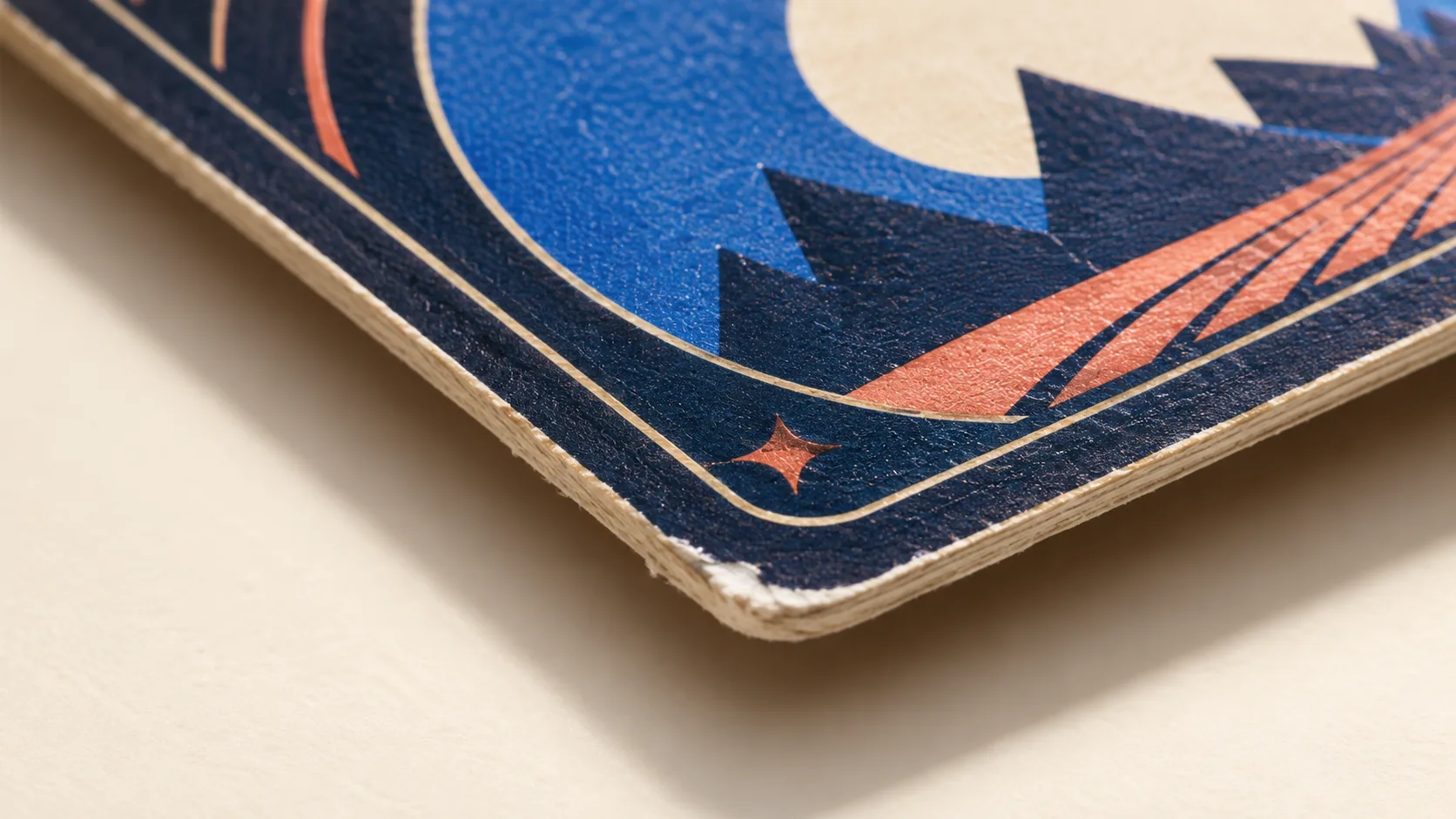
Capturing card surface under raking light
Learn why low-angle raking light reveals surface changes that ambient light can hide, and how a guided iPhone capture keeps the evidence repeatable.

What raking light changes
Ambient light gives a useful neutral view of a card. It is less reliable for shallow scratches, pressure marks and changes in gloss because the light reaches the surface from many directions. Raking light arrives at a low angle. Small changes in the surface interrupt that light and become easier to locate.
That does not make every bright line a defect. Texture, print finish, dust and the lighting itself can create highlights. Best Grading Tools therefore guides complementary views instead of treating one image as definitive.
A repeatable capture
Place the unsleeved card on a dark matte background. Keep it within the on-screen guide and tilt slowly rather than moving the phone quickly. The guided sequence helps create clear, complementary views without making you manage the process.
The final report should only describe evidence that is clearly visible in the capture. If the card is sleeved, blurred or dominated by glare, a responsible result is a recapture—not an invented grade.
Separating glare from persistent evidence
A reflection usually moves or changes shape when the card angle changes. A real surface change remains in the same area even when its contrast becomes stronger or weaker. Complementary views make position, outline and intensity easier to compare.
Do not decide from one bright image. Check whether the signal is also supported under neutral light, appears from another angle and can be located against an edge or printed detail. A clipped highlight with no remaining texture does not prove a defect. The guide to corners, edges, surface and centering explains how to keep those categories separate before reading the grade.
What the report can and cannot say
A BGT report is a visual condition estimate. It can organise visible evidence and make repeated captures easier to compare. It cannot certify authenticity, guarantee another company’s grade or replace an in-person inspection.